
 English
 Pусский


Filme composto de borracha
Rubber Compound Film: Properties, Applications, and Manufacturing Rubber compound film is a versatile material widely used in industries requiring flexibility, durability, and resistance to environmental factors. It is typically produced by blending natural or synthetic rubber with additives such as plasticizers, fillers, curing agents, and stabilizers to achieve specific mechanical, chemical, or thermal properties. The resulting film exhibits excellent elasticity, water resistance, and resilience, making it suitable for diverse applications. Key Properties 1. Elasticity and Flexibility: Rubber films can stretch and recover without permanent deformation, ideal for dynamic applications like seals or gaskets. 2. Chemical Resistance: Depending on the formulation, they resist oils, acids, and solvents, ensuring longevity in harsh environments. 3. Waterproofing: The impermeable nature of rubber films makes them effective for moisture barriers in construction or packaging. 4. Temperature Stability: Some compounds withstand extreme temperatures, from sub-zero conditions to high-heat industrial settings. 5. Adhesion and Insulation: Certain rubber films provide electrical insulation or adhere well to substrates like metals or fabrics. Manufacturing Process The production involves several steps: - Compounding: Raw rubber is mixed with additives (e.g., carbon black for reinforcement) using mills or internal mixers. - Calendering or Extrusion: The compound is processed into thin sheets via calendering rollers or extruded into films. - Vulcanization: The film is cured (often with sulfur or peroxides) to cross-link polymer chains, enhancing strength and elasticity. - Post-Processing: Additional treatments like surface texturing or lamination may be applied for specific functionalities. Applications - Automotive: Used for vibration dampening, gaskets, and hose liners. - Construction: Serves as waterproof membranes for roofs or foundations. - Medical: Flexible tubing or adhesive films for devices requiring biocompatibility. - Consumer Goods: Includes grips, protective coatings, or inflatable products. - Industrial: Conveyor belts, anti-slip mats, or insulation layers. Advantages and Challenges Rubber films offer cost-effectiveness and adaptability but may face limitations in UV resistance or degradation under prolonged stress. Innovations like silicone or fluorocarbon-based compounds address these issues for specialized uses. In summary, rubber compound films are indispensable in modern manufacturing due to their customizable properties and broad utility. Advances in material science continue to expand their potential across emerging industries. (Word count: 500)
Produto
Categoria:
-
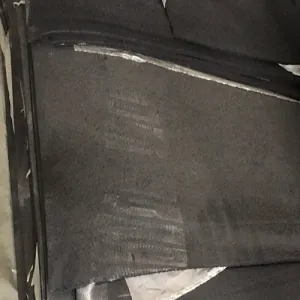
Filme bruto de borracha industrial
Sua classificação: Filme BrutoVistas: 9Número:Tempo de liberação: 2025-12-17 14:59:29Os filmes brutos de borracha industrial são versáteis e podem ser usados em uma ampla variedade de aplicações.
Notícias
Categoria:
Nenhum resultado de pesquisa!
Caso
Categoria:
Nenhum resultado de pesquisa!
Vídeo
Categoria:
Nenhum resultado de pesquisa!
Download
Categoria:
Nenhum resultado de pesquisa!
Recrutamento
Categoria:
Nenhum resultado de pesquisa!
Produtos recomendados
Nenhum resultado de pesquisa!



 Whatsapp
 Telefone