
 English
 Pусский


Material de borracha recuperada
Reclaimed Rubber Material: An Overview Reclaimed rubber is a sustainable material produced by reprocessing used rubber products, such as tires, hoses, and industrial rubber waste, into a reusable form. This process not only reduces environmental waste but also conserves resources by minimizing the need for virgin rubber. Reclaimed rubber is widely used in various industries due to its cost-effectiveness, durability, and environmental benefits. Production Process The production of reclaimed rubber involves several key steps: 1. Collection and Sorting: Waste rubber products are collected, cleaned, and sorted to remove contaminants such as metal, fabric, and other non-rubber materials. 2. Size Reduction: The rubber is shredded or ground into smaller pieces to facilitate further processing. 3. Devulcanization: A crucial step where the rubber is treated with heat, chemicals, or mechanical processes to break the sulfur cross-links formed during vulcanization. This softens the rubber, restoring its plasticity. 4. Refining and Filtering: The material is further processed to remove impurities and achieve a uniform consistency. 5. Compounding and Testing: The reclaimed rubber is blended with additives (e.g., fillers, oils, or curing agents) to enhance its properties before being tested for quality and performance. Properties and Advantages Reclaimed rubber retains many of the beneficial properties of virgin rubber, including elasticity, abrasion resistance, and durability. However, its performance may vary depending on the source material and processing methods. Key advantages include: - Environmental Sustainability: Reduces landfill waste and lowers the carbon footprint associated with rubber production. - Cost-Effectiveness: More affordable than virgin rubber, making it an economical choice for manufacturers. - Energy Efficiency: Requires less energy to produce compared to new rubber. - Versatility: Compatible with various rubber formulations and applications. Applications Reclaimed rubber is used in numerous industries, including: - Automotive: Tire treads, mats, and seals. - Construction: Flooring, roofing membranes, and vibration dampers. - Consumer Goods: Footwear, sports equipment, and adhesives. - Industrial: Gaskets, conveyor belts, and molded rubber products. Challenges and Future Outlook Despite its benefits, reclaimed rubber faces challenges such as inconsistent quality and limited performance in high-stress applications. Ongoing research focuses on improving devulcanization techniques and enhancing material properties to expand its use. As industries increasingly prioritize sustainability, reclaimed rubber is expected to play a vital role in circular economy initiatives, offering a practical solution for reducing waste and conserving natural resources.
Produto
Categoria:
-
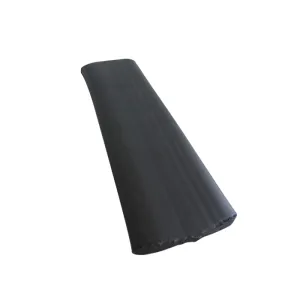
Borracha Reciclada
Sua classificação: Borracha RecicladaVistas: 18Número:Tempo de liberação: 2025-12-17 15:10:52A borracha reciclada é um material derivado da recuperação e reprocessamento de produtos de borracha usados. Fontes comuns de borracha reciclada incluem pneus usados, vedações de borracha, cintos e calçados. Através de vários processos mecânicos, químicos ou térmicos, a borracha velha é decomposta e convertida em formas reutilizáveis, como grânulos, migalhas ou folhas. Esses materiais de borracha reprocessados mantêm muitas das principais características da borracha original, como flexibilidade, durabilidade e resistência ao desgaste.
Notícias
Categoria:
Nenhum resultado de pesquisa!
Caso
Categoria:
Nenhum resultado de pesquisa!
Vídeo
Categoria:
Nenhum resultado de pesquisa!
Download
Categoria:
Nenhum resultado de pesquisa!
Recrutamento
Categoria:
Nenhum resultado de pesquisa!
Produtos recomendados
Nenhum resultado de pesquisa!



 Whatsapp
 Telefone