
 English
 Pусский


Vedação de junta de concreto
Concrete Joint Seal: Importance, Types, and Applications Concrete joint sealants are essential components in construction, designed to fill gaps between concrete slabs or other structural elements while accommodating movement, preventing water infiltration, and enhancing durability. Proper joint sealing ensures the longevity and performance of concrete structures, whether in pavements, buildings, bridges, or industrial floors. Importance of Joint Sealing Concrete expands and contracts due to temperature fluctuations, moisture changes, and load-induced stress. Without properly sealed joints, cracks can form, leading to structural damage, water penetration, and corrosion of embedded reinforcement. Joint sealants also prevent debris accumulation, reducing maintenance costs and extending the service life of the structure. Types of Joint Sealants 1. Silicone Sealants – Highly flexible and weather-resistant, ideal for exterior applications. They adhere well to concrete and withstand UV exposure without hardening or cracking. 2. Polyurethane Sealants – Durable and elastic, suitable for high-movement joints. They offer excellent adhesion and resistance to chemicals and abrasion. 3. Polysulfide Sealants – Used in demanding environments like airports and highways due to their resistance to fuels, oils, and extreme weather. 4. Acrylic Sealants – Cost-effective but less flexible, best for low-movement indoor joints where aesthetics matter. 5. Preformed Compression Seals – Used in large expansion joints, made of rubber or foam to absorb significant movement. Application Considerations - Joint Preparation – Surfaces must be clean, dry, and free of dust or loose particles. - Primer Use – Some sealants require primers to enhance adhesion. - Backer Rods – Foam rods are often inserted to control sealant depth and ensure proper bonding. - Curing Time – Sealants need time to cure before being subjected to stress or moisture. Applications - Pavements – Prevents water ingress and freeze-thaw damage. - Buildings – Seals expansion joints in walls, floors, and roofs. - Bridges – Accommodates thermal movement and heavy loads. - Industrial Floors – Resists chemical spills and heavy traffic. Conclusion Selecting the right joint sealant depends on factors like movement capacity, environmental conditions, and expected lifespan. Proper installation ensures structural integrity, reduces maintenance, and prolongs the life of concrete surfaces. Whether for highways, commercial buildings, or industrial facilities, effective joint sealing is critical for sustainable construction.
Produto
Categoria:
-
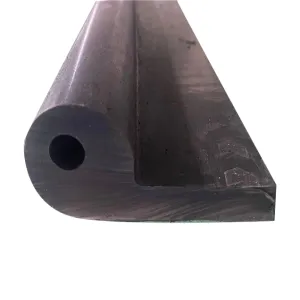
Waterstop de borracha enterrada média
Sua classificação: Parada de águaVistas: 12Número:Tempo de liberação: 2025-12-17 14:27:48A Indonésia (abreviada como Indonésia) é um país importante no Sudeste Asiático e, para a Indonésia, a China é a fonte de seus produtos.
Notícias
Categoria:
Nenhum resultado de pesquisa!
Caso
Categoria:
Nenhum resultado de pesquisa!
Vídeo
Categoria:
Nenhum resultado de pesquisa!
Download
Categoria:
Nenhum resultado de pesquisa!
Recrutamento
Categoria:
Nenhum resultado de pesquisa!
Produtos recomendados
Nenhum resultado de pesquisa!



 Whatsapp
 Telefone